Supersonic Transportation and the Environment
History of Technology and Environmental Impact | Duke University
Concorde is often remembered as a triumph of aerospace engineering, but its history also shows how technological ambition can be limited by environmental, economic, and regulatory constraints. This paper examines why supersonic passenger flight failed to scale beyond a small luxury market, despite its ability to cross the Atlantic in roughly three hours. By focusing on sonic booms, fuel consumption, high-altitude emissions, ticket economics, and overland flight restrictions, I analyzed Concorde not only as an aircraft, but as a case study in how environmental concerns shaped the rise, decline, and possible revival of supersonic transport.
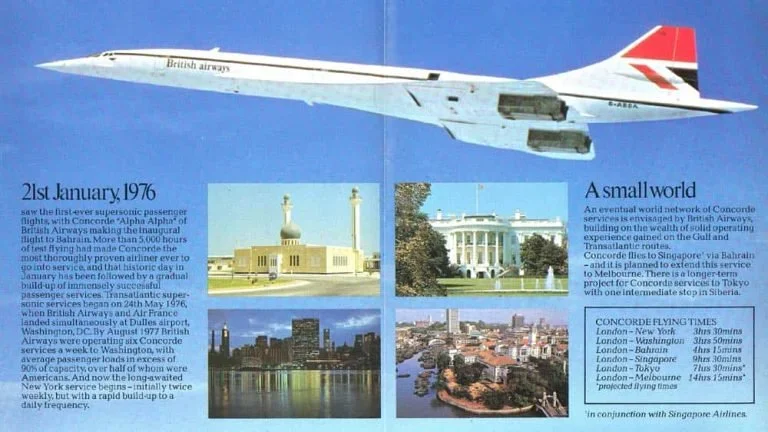
Air France promotional material for Concorde, 1976. Concorde was marketed as a symbol of speed and global reach, but its commercial future was constrained by noise regulation, fuel consumption, emissions concerns, and limited viable routes.
Project Highlights:
Researched Concorde as both an engineering achievement and an environmental history case study
Analyzed why supersonic passenger flight failed to scale into widespread commercial use
Examined sonic booms, public opposition, and the 1973 FAA restriction on civilian supersonic flight over U.S. land
Connected Concorde’s high fuel consumption and emissions to the economics of premium-ticket supersonic travel
Compared Concorde-era limitations with modern SST revival efforts, including Boom Supersonic and NASA’s low-boom research
Argued that the future of supersonic transport depends on balancing speed, cost, regulation, and environmental impact
Key Environmental Barriers
Sonic booms made overland routes politically and socially difficult
High fuel burn increased both emissions and operating costs
High-altitude exhaust raised atmospheric concerns
Route restrictions limited scalability
Premium ticket prices narrowed the market
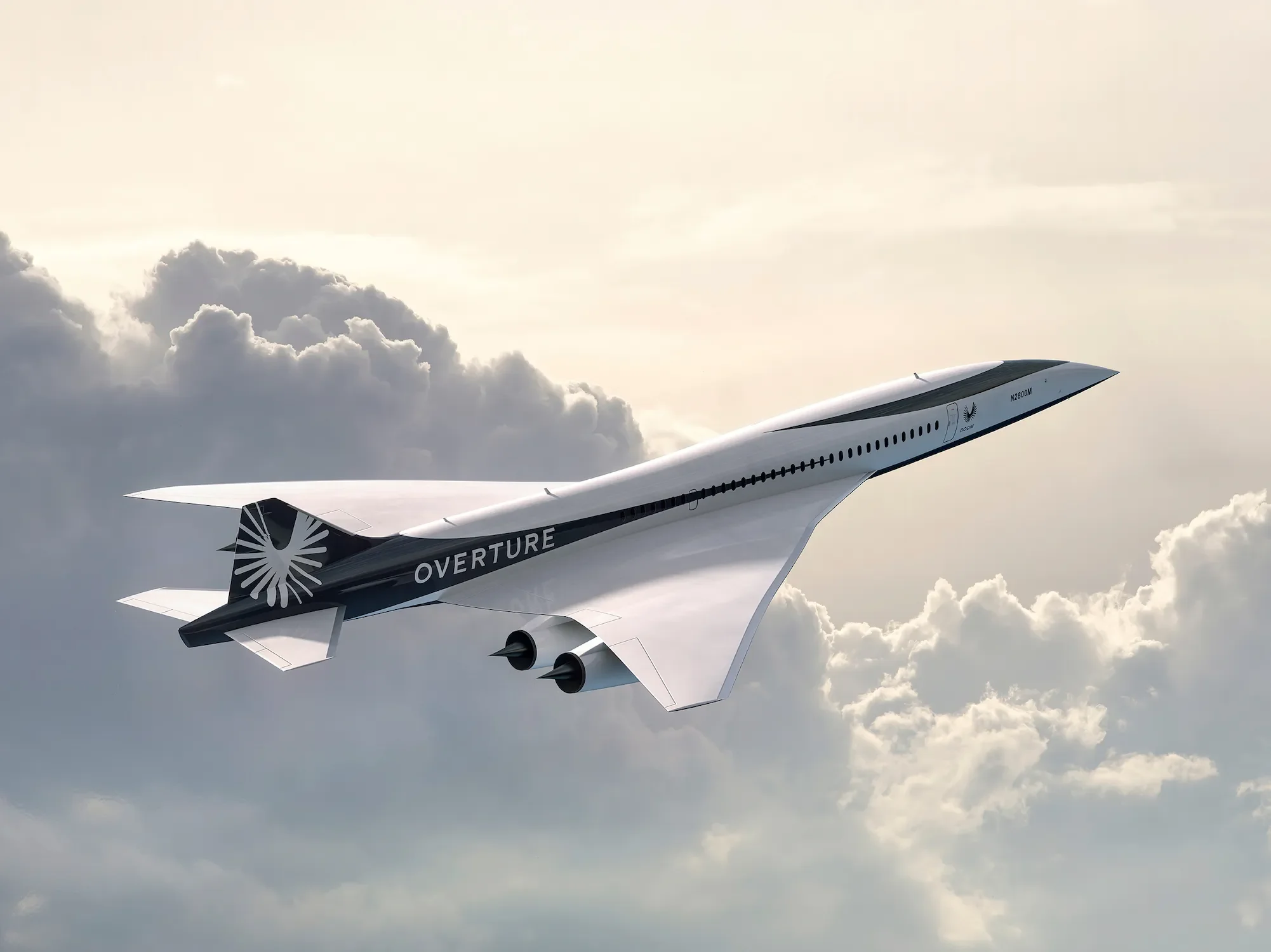
Boom Supersonics Overture
Boom Supersonic’s proposed Overture aircraft represents the modern commercial push to revive supersonic passenger travel through improved aerodynamics, no-afterburner operation, and sustainable aviation fuel.
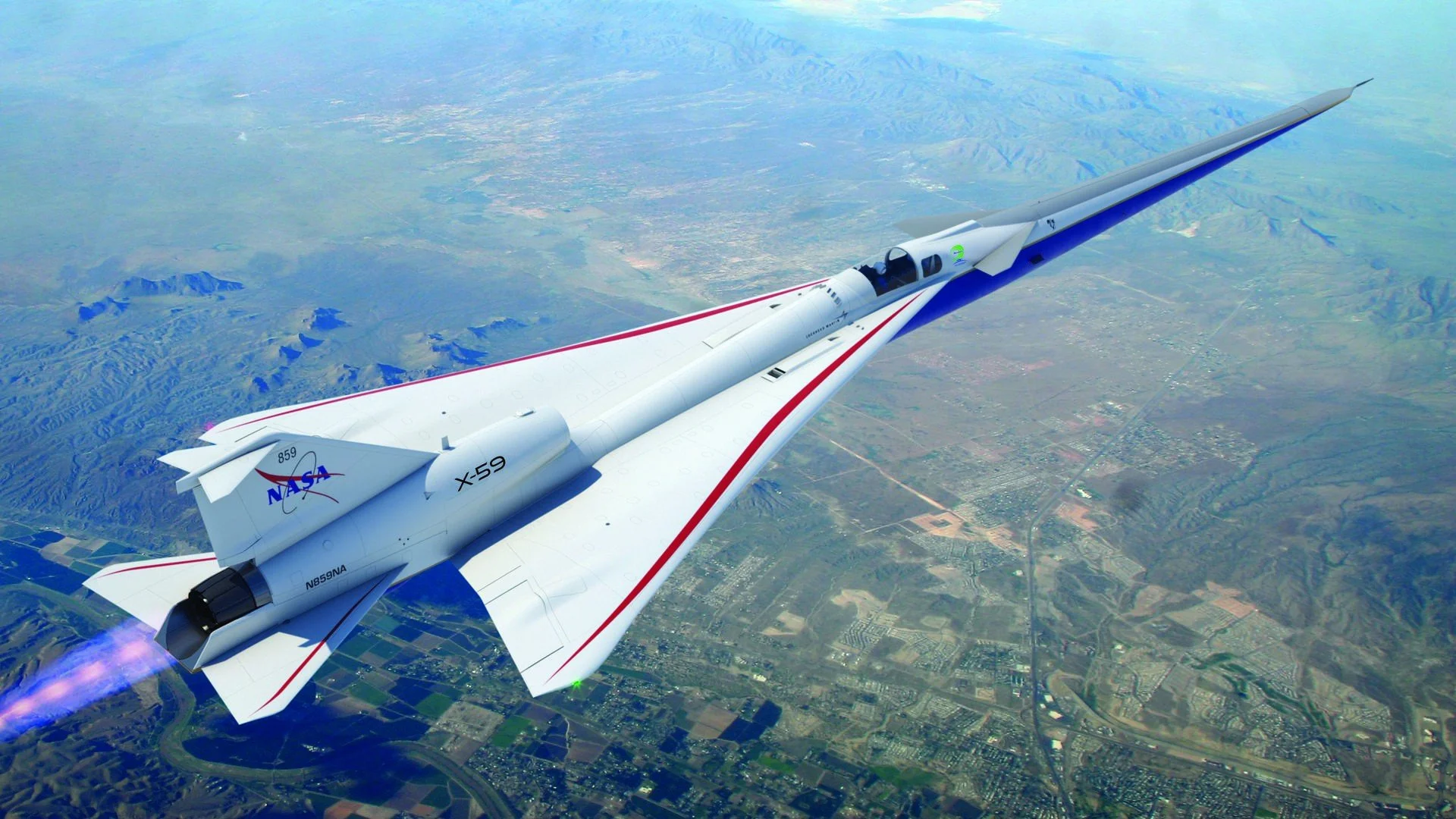
NASA X-59
NASA’s X-59 is an experimental low-boom aircraft is designed to reshape shockwaves and produce a quieter sonic “thump,” directly addressing the noise concerns that limited Concorde-era supersonic transport.