NASA SPACE GRANT CONTORSIUM
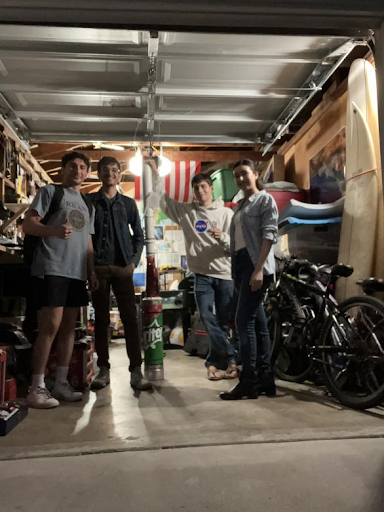
(Summer 2023)
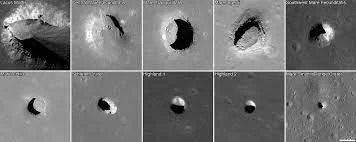
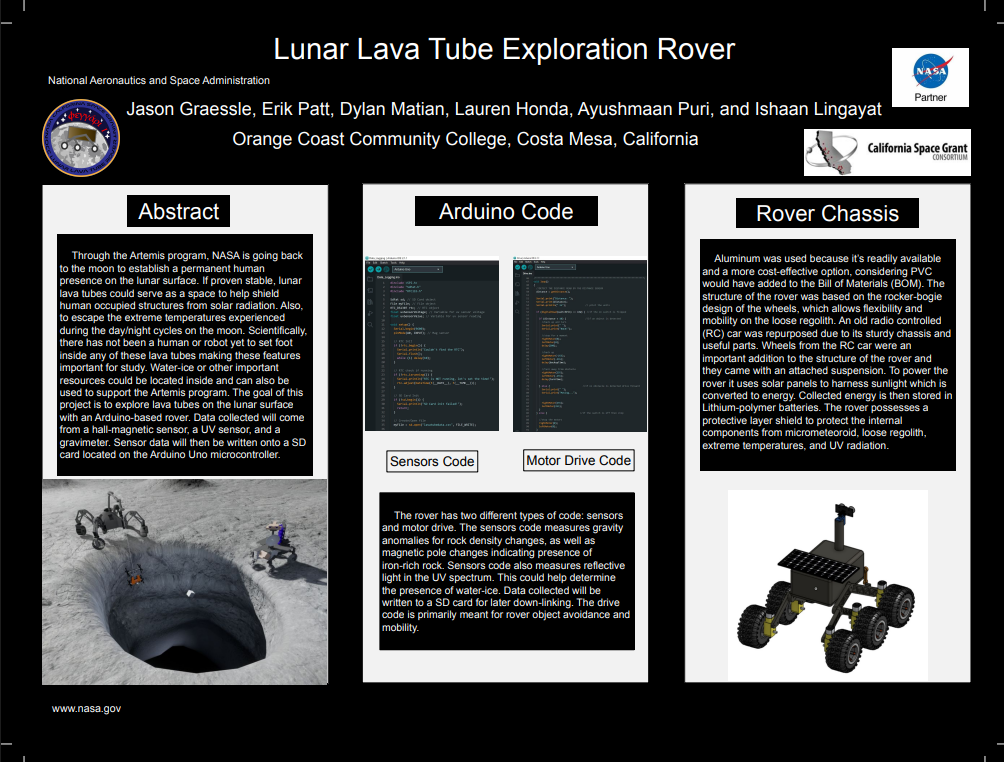
After reaching out to a professor at a nearby community college whom I previously collaborated with in high school, I was appointed to lead a diverse engineering team through the NASA California Space Grant Consortium (CaSGC) project. This initiative was an invaluable experience, blending the complexities of aerospace engineering with practical problem-solving and team collaboration. The CaSGC actively promotes aerospace education and innovation, aligning seamlessly with NASA’s Artemis program and their long-term lunar exploration goals. Our primary objective involved designing and building a Lunar Lava Tube Exploration Rover to navigate and investigate lunar cave environments. These caves hold potential as strategic locations for future human habitats, offering natural protection from harmful radiation and extreme lunar temperatures.
RESEARCH & DEVELOPMENT

The project's theoretical designs were validated through the construction of a practical prototype, demonstrating creative problem-solving with severely limited resources. Without access to 3D printing technology, the rover's physical model was manually assembled using an RC-car plastic body, adhesives, and salvaged rubber tires. (NOTE: This is a protoype as nearly all of these material choices would not work on the moon due to temperature — especially rubber and plastic). Even with these constraints, our $100 Arduino-driven prototype successfully integrated sensors capable of accurately detecting magnetic field variations, gravitational anomalies, and ultraviolet signals, effectively proving our theoretical concepts.
Key successes included:
Hand-crafted Assembly: Demonstrated the feasibility of constructing a reliable rover prototype through manual fabrication methods.
Arduino Sensor System: Confirmed precise sensor functionality, including accurate magnetic and gravitational anomaly detection.
Energy Management: Verified operational efficiency of the integrated solar panels and lithium-polymer battery system for sustainable rover power.
PROTOTYPE & THEORETICAL
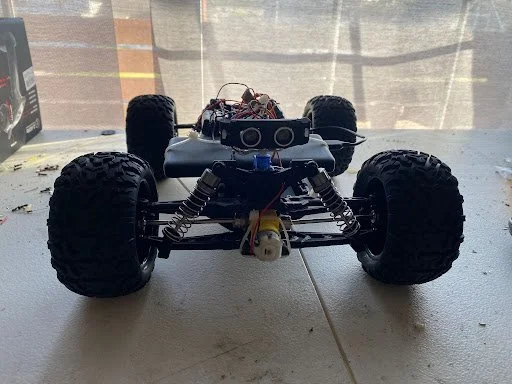
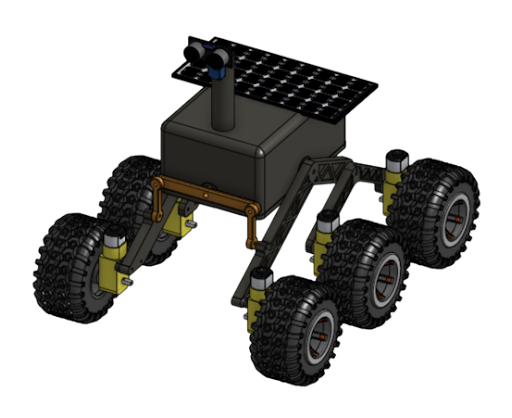
Due to limited access to fabrication tools, our engineering approach was deeply rooted in practical, resourceful innovation. The rover design leveraged the reliable Rocker-Bogie suspension system, inspired by Mars rovers like Curiosity and Perseverance, offering robust mobility and adaptability on rugged lunar surfaces. To manage cost and practicality, the chassis and structure were manually crafted using basic tools, such as dremels, adhesives, and repurposed components from existing RC cars. Wheels from an RC car provided traction and incorporated inherent suspension benefits. Our energy system utilized solar panels paired with lithium-polymer batteries, ensuring a sustainable power supply for prolonged missions.
A significant portion of our research involved developing an Arduino-based sensor array, calibrated to detect magnetic fields, gravitational anomalies, and ultraviolet reflections indicating potential water-ice presence. Despite encountering challenges such as inconsistent RF transceiver performance and initial funding constraints, our team's hands-on troubleshooting and iterative design significantly advanced the rover's reliability and functional capability.
POSSIBLE IMPROVEMENTS & NEXT STEPS
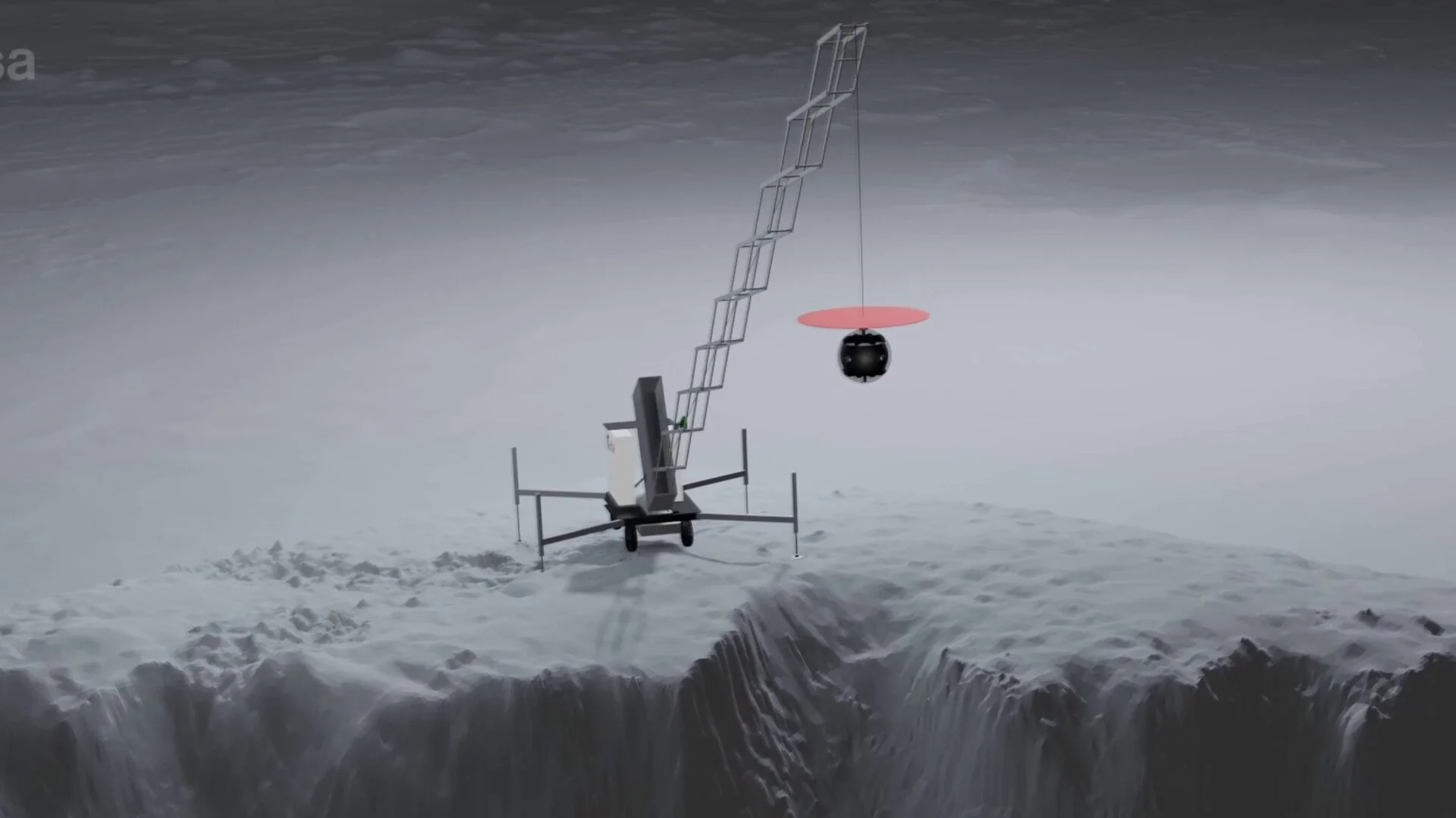
Looking forward, significant enhancements could further expand the exploration limits. One critical improvement would be integrating a crane-lowering system built directly into the rover. This system could provide a means of safely transporting materials such as ice or geological samples to predetermined pickup points for astronaut retrieval upon arrival in 2026. Additionally, developing alternative power solutions using this crane-lowering system—possibly utilizing tethered power cables or remote energy stations—would address the limitation of solar panels in underground lunar environments. Further advancements could include refined motor control for smoother navigation, upgraded sensors for higher data fidelity, and reinforced structural components to withstand extreme lunar conditions. These targeted enhancements will enable more robust exploration missions and significantly contribute to NASA’s lunar habitation objectives.