MANUFACTURING & FABRICATION
INTRODUCTION
Over the years, I’ve worked across a wide range of manufacturing techniques to meet performance and structural demands, especially in aerospace applications where mass and strength are critical. I've machined airframe components for Duke AERO, molded forged carbon fiber components, and 3D printing since my freshman year of high school.
Here are some of the fabrication methods I’ve used:
Composite Fabrication
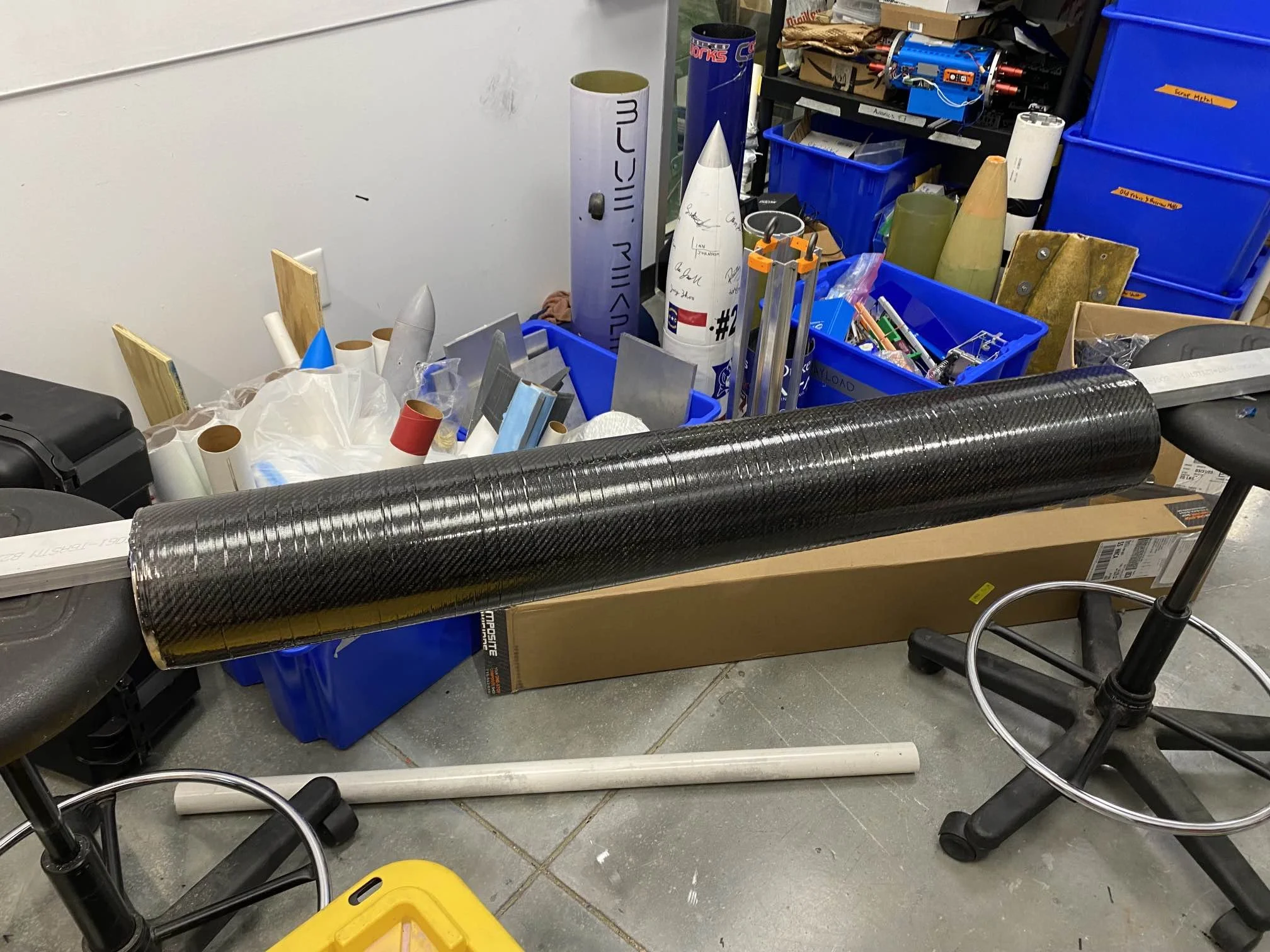
Carbon fiber & Fiberglass layups over mandrels for high-strength, lightweight structures (rocket bodies, nosecones)
Forged carbon fiber molding for compact, load-bearing parts like canards, airbrake pedals, and camera shrouds
Vacuum bagging and curing for improved fiber-to-resin ratios and surface finish
Machining
Manual milling & drilling: confident with feeds, speeds, part fixturing, and material removal for metals and composites
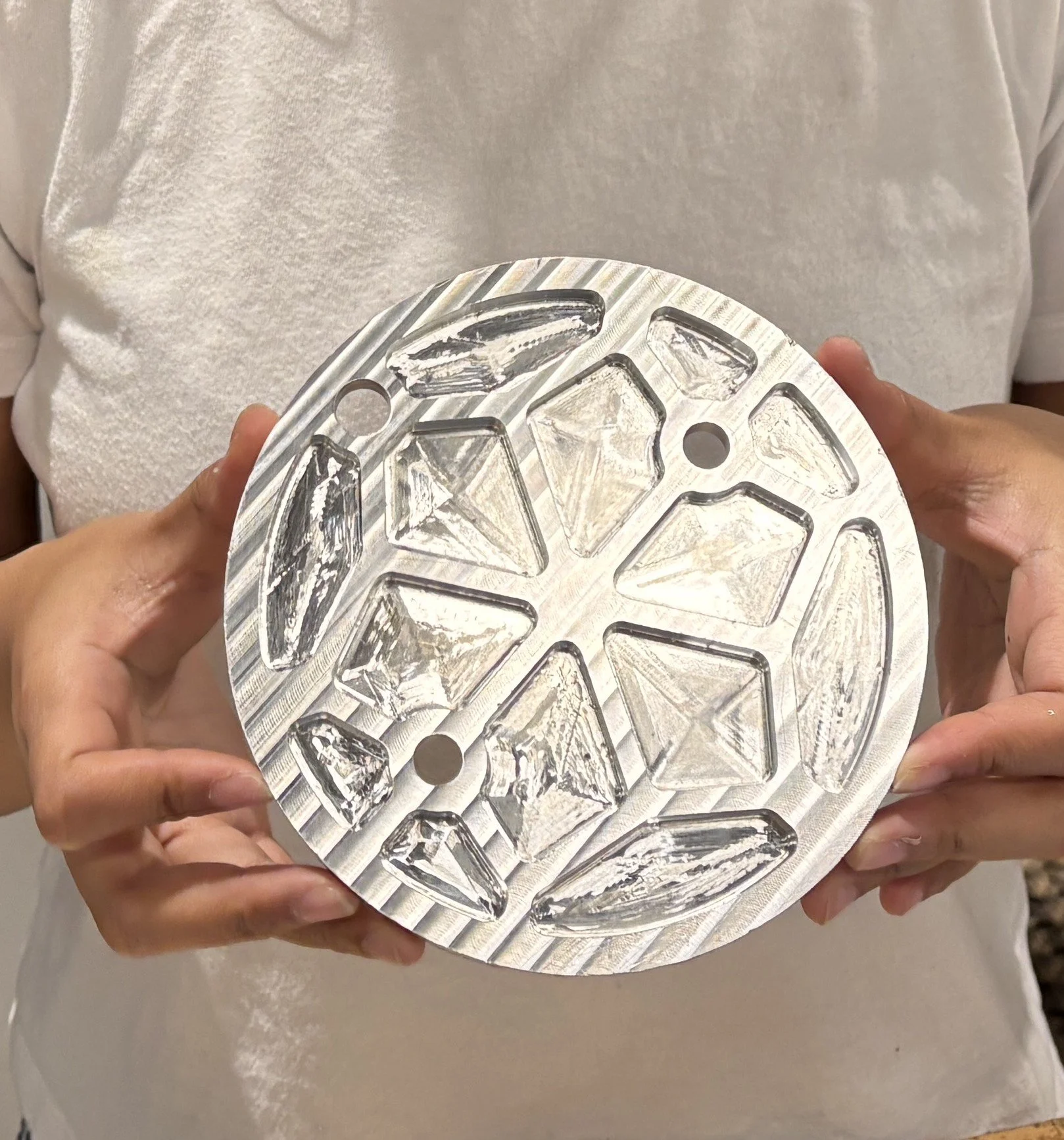
CNC machining: experience programming and operating mills and lathes for aerospace parts
Drill press: for accurate hole placement and manual operations on custom hardware
Additive Manufacturing
3D printing: used regularly since high school for quick prototyping and bracket design (PLA, PETG, ABS, Nylon)
Used in both coursework and research to rapidly iterate and validate part fit and geometry
Other Techniques & Tools
Laser cutting: for mostly templates
Waterjet: used for stronger metals and thicker aluminum stock
Surface finishing: deburring, sanding, polishing, and preparing parts for bonding or paint

FORGED CARBON FIBER
LAYUPS
MILLING & CNC