FORGED CARBON FIBER
One of the most repeatable and reliable composite techniques I use is forged carbon fiber molding, ideal for creating small, load-bearing parts where weight savings are critical and geometries are complex.
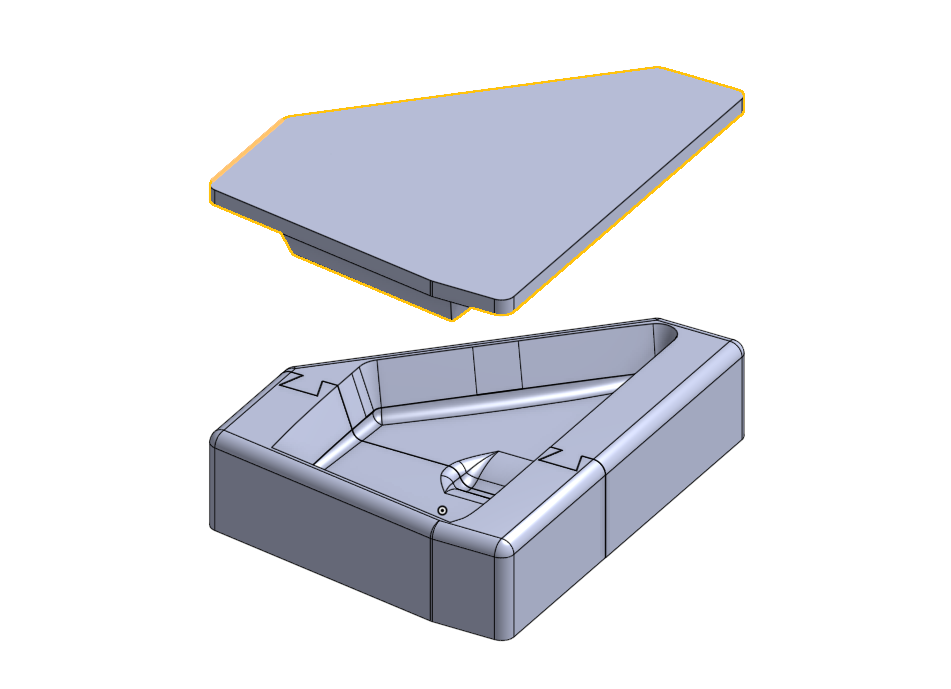
The process begins with CAD modeling and 3D printing of both the mold base and lid using high-temperature, high-resolution filaments. After light sanding and sealing, a mold release agent is applied to the interior surfaces to prevent bonding during curing.
Once prepared, sheets of chopped carbon fiber tow or weave are cut by hand using shears, then packed into the mold cavity. I use a brush to dab and distribute epoxy throughout the fibers for even wetting. After reaching the desired fill level, the lid is placed on top and mechanically clamped to apply pressure during the cure. This pressure compacts the fibers and drives out excess resin, producing a dense, structurally sound part.
After full curing, parts are demolded, then post-processed by hand — this can include edge trimming, light sanding, and clear coating depending on the application.
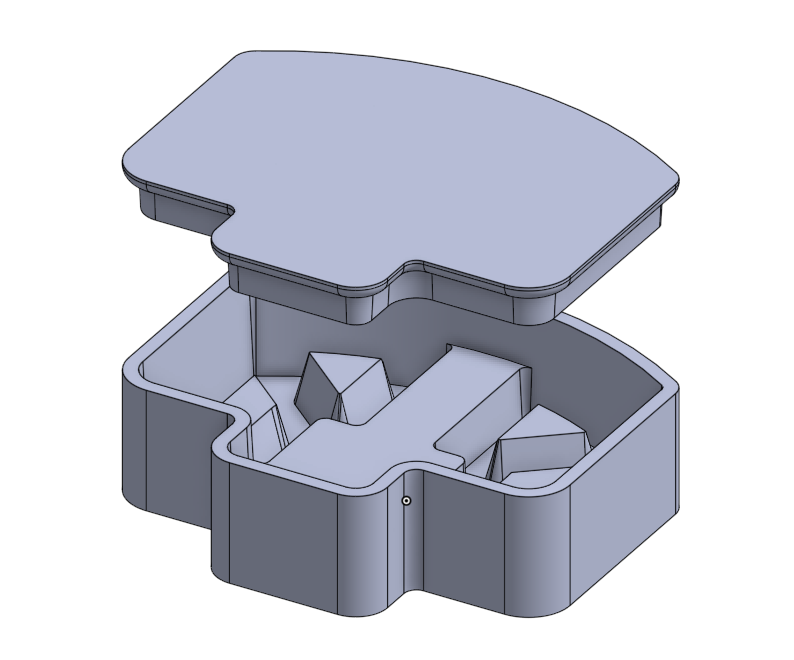
Airbrake Pedal Mold

Airbrake Pedal
Fin Aligner Mold
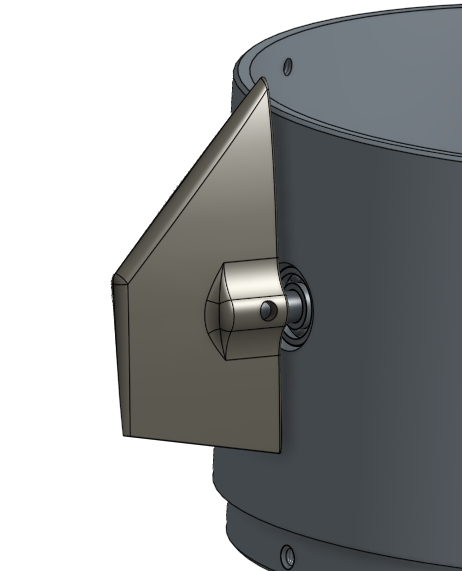
Canard
Due to the sharp edges and complex shape, these were extremely difficult to create and post-process and therefore become a 1 and done deal.
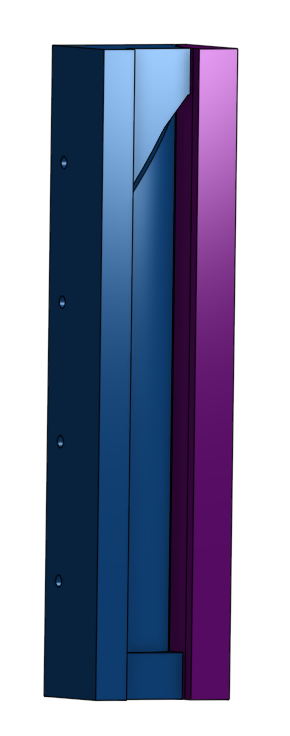
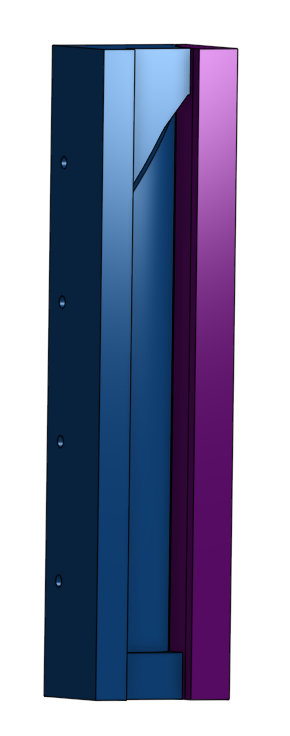
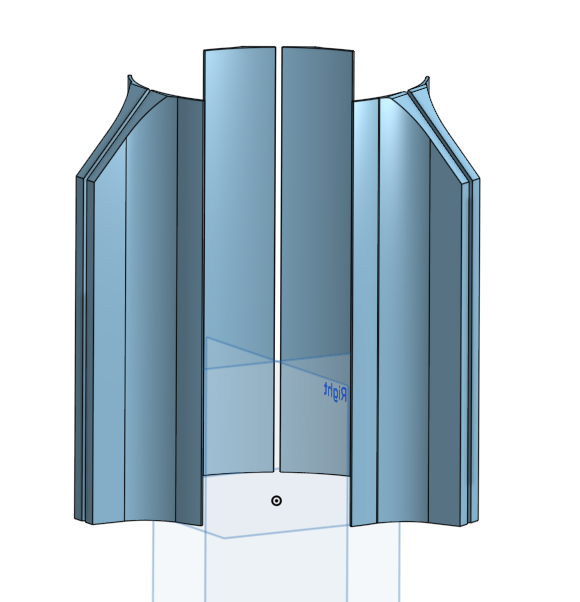
Canard Mold
Fin Aligner