The Concorde
A testament to what man could accomplish, the Concorde made supersonic passenger flight a reality, crossing the Atlantic in roughly three hours and turning speed into a symbol of engineering ambition. What makes the aircraft so fascinating to me is that its story goes far beyond how fast it could fly. Concorde sits at the intersection of aerodynamics, shockwave physics, control-surface design, environmental regulation, economics, and public perception. During my senior year at Duke, I utilized the Concorde as a starting point for two separate explorations: a technical study of its supersonic elevon behavior using shock and expansion theory with CFD validation, and an environmental history paper examining why supersonic transport failed to scale and how noise, emissions, and regulation continue to shape its future.
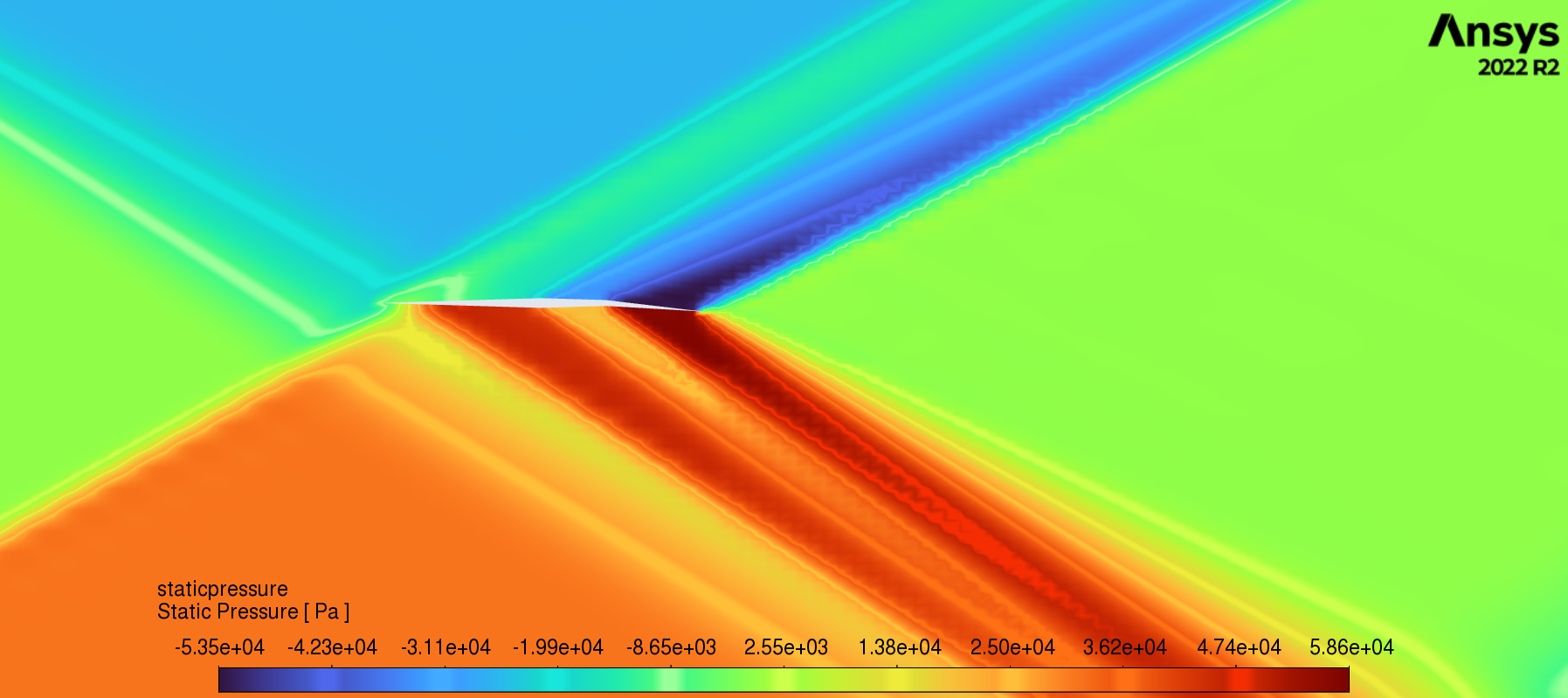
Compressible Flow Research - ME536
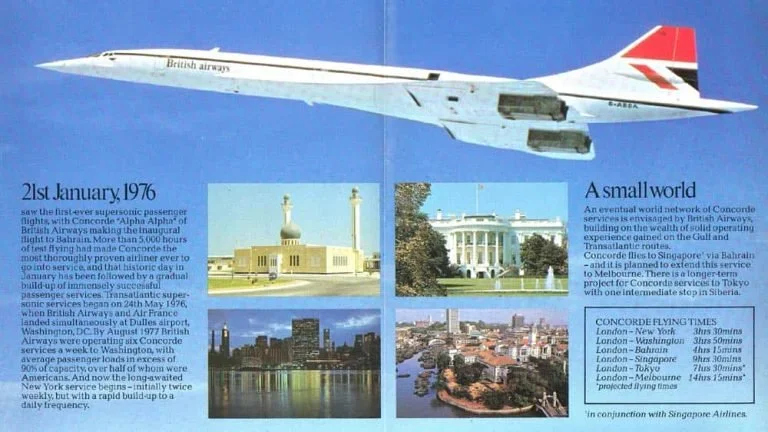
Environmental History Research - HIS345